Featured
The Best Guide To Required Records When Pursuing Debt For...
Private Relief Organizations Compared Can Be Fun For Anyone

Facts About How Top Providers Apart from Competing Debt Relief Companies Revealed
Table of Contents
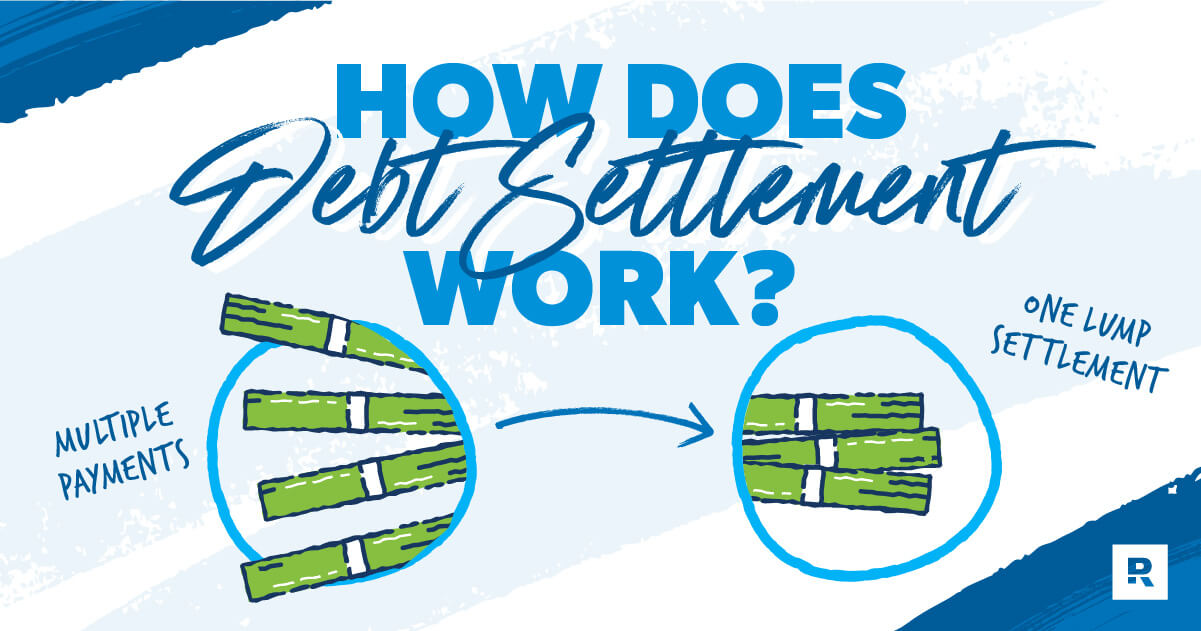
That liberates money in the short-term, and you might have three to 4 years to conserve toward the negotiation quantity. Really unsafe to credit history, mainly due to missed out on repayments and an unfavorable "settled" mark that can stay on your credit score record for up to seven yearsMay be just option if other choices (debt consolidation, equilibrium transfer credit report cards, debt forgiveness) aren't possibleTypically calls for a charge to the 3rd party, which could counter some or every one of the cost savings from debt settlementMay help you prevent bankruptcy if you've missed several paymentsNot all financial institutions function with financial debt negotiation business Financial debt forgiveness may be appropriate for you if you are experiencing a monetary hardship that makes it almost difficult to pay for your debt balances.
With a DMP, you make one regular monthly repayment to the credit scores therapy agency. Those funds are then distributed to lenders of your unsecured debts, such as charge card and installment finances. The agency works with your financial institutions to reduce rate of interest or forgo charges, however some creditors may decline such concessions.
A financial obligation consolidation car loan combines your eligible financial obligations into one brand-new car loan. It can help you pay for financial obligation if you're able to protect a car loan rate that's less than the ordinary price of the accounts you're settling. You should abstain from racking up financial obligation on those newly gotten rid of accounts or your financial obligation can expand even greater.
That gives you plenty of time to get rid of or substantially reduce your balance while making interest-free settlements.
Little Known Questions About Understanding the Cost of Debt Forgiveness Programs.
You might need it if your creditor or a debt collector ever attempts to collect on the financial debt in the future. The letter might show you do not owe what the collection agency's documents show. Yes, for the most part, the internal revenue service thinks about forgiven debt as taxed earnings. When a lending institution forgives $600 or more, they are needed to send you Type 1099-C.
Debt forgiveness or settlement practically constantly harms your credit history. Anytime you clear up a financial debt for less than you owe, it may look like "resolved" on your debt record and affect your credit report for 7 years from the date of settlement. Your debt can also drop significantly in the months leading to the mercy if you drop behind on settlements.
Getting The Knowing Fees for Sudden Inheritance or Lump-Sum Payouts: Avoiding New Debt When a Windfall Arrives To Work
Tax financial obligation concession programs Tax obligation financial debt takes place when the amount of tax obligations you owe surpasses what you have paid. This circumstance often results from underreporting revenue, not submitting returns in a timely manner, or inconsistencies discovered throughout an IRS audit. The repercussions of building up tax financial obligation are severe and can include tax liens, which give the internal revenue service a lawful case to your residential or commercial property as protection for the financial obligation.
Higher interest prices on readily available debt. Earnings and Financial institution Accounts IRS can levy (take) wages and checking account to satisfy the financial obligation. Lowered revenue and disturbance of vital financial procedures. Residential or commercial property Seizure In severe cases, the internal revenue service can seize and market residential property to cover the debt. Loss of important possessions and possible displacement.
Social Preconception Encountering legal activity from the IRS can lug social preconception. Work Opportunities An inadequate credit rating due to tire financial obligation can restrict employment opportunities. Federal government Benefits Tax financial obligation may impact qualification for federal government benefits, such as Social Protection and Medicaid.
What Does Understanding Your Sudden Inheritance or Lump-Sum Payouts: Avoiding New Debt When a Windfall Arrives Options and Eligibility Do?
The OIC takes into consideration a number of variables, including the taxpayer's revenue, expenses, possession equity, and capacity to pay. Successfully discussing an OIC can be intricate, calling for a thorough understanding of the internal revenue service's guidelines and a solid debate for why your offer straightens with your ability to pay. It is necessary to note that not all applications are approved, and the process requires thorough economic disclosure.
The internal revenue service analyzes your overall economic scenario, including your income, expenditures, property equity, and capability to pay. You have to also be existing with all filing and repayment requirements and not remain in an open personal bankruptcy case. The internal revenue service also considers your conformity history, examining whether you have a document of prompt filing and paying tax obligations in previous years.
The Definitive Guide for Actions to Take Once Bankruptcy
The application process for a Deal in Concession involves numerous thorough actions. First, you have to complete and send internal revenue service Kind 656, the Offer in Concession application, and Kind 433-A (OIC), a collection details statement for people. These forms need thorough financial details, including details concerning your earnings, debts, costs, and possessions.
Back tax obligations, which are overdue tax obligations from previous years, can considerably increase your complete IRS financial obligation if not dealt with without delay. This financial obligation can accrue passion and late settlement penalties, making the initial amount owed much bigger gradually. Failure to repay tax obligations can lead to the internal revenue service taking enforcement actions, such as releasing a tax lien or levy versus your residential or commercial property.
It is necessary to attend to back taxes immediately, either by paying the complete amount owed or by organizing a layaway plan with the internal revenue service. By taking positive steps, you can prevent the buildup of additional passion and penalties, and avoid much more hostile collection activities by the IRS.
One common reason is the belief that the taxpayer can pay the total either as a round figure or with a repayment strategy. The internal revenue service additionally considers the taxpayer's earnings, expenditures, property equity, and future earning capacity. If these aspects show that the taxpayer can afford to pay more than the provided amount, the IRS is most likely to turn down the deal.
Top Guidelines Of Accreditation Requirements in the Industry
It is important to offer precise and complete information in your application and to consult with a tax obligation professional to improve the possibilities of acceptance. Taking care of internal revenue service financial debt can be intricate and difficult. Tax obligation experts, such as CPAs, tax attorneys, or signed up representatives, can give invaluable support. They have the competence to navigate the intricacies of tax regulation and internal revenue service treatments.

Latest Posts

About Economic Consequences Fees for Debt Forgiveness Programs

Our Your Interests Diaries

The Best Guide To Required Records When Pursuing Debt Forgiveness